Building Better Practice Sessions with IPSC Stage Bundles
When I first started shooting IPSC seriously, I made the same mistake a lot of shooters make: I bought a handful of targets, set them up in a straight line, and blasted away until my ammo ran out. It felt productive, but it wasn't. Real improvement in IPSC comes from simulating match conditions, and that means building stages that force you to move, transition, and think under pressure. That is where the idea of IPSC stage bundles comes in, and honestly, I wish someone had explained them to me years ago.
A stage bundle is exactly what it sounds like: a coordinated set of targets and accessories that together form a complete stage or a coherent segment of one. Instead of piecing together random targets from different manufacturers or guessing at spacing, you get a package designed to challenge specific skills. Scoring zones, target sizes, and even the number of targets per bundle are chosen to mimic the kind of stages you would see at a match. For a shooter training alone or with a small group, this changes everything.
The first time I tried a properly designed IPSC stage bundle, I noticed something right away: my footwork improved. Because the targets were placed at realistic angles and distances, I had to plan my movement rather than just shuffling sideways. A good bundle forces you to exit a position, reload on the move, and re-engage at a new spot. That kind of practice transfers directly to competition day.
What Makes a Bundle Worth Buying
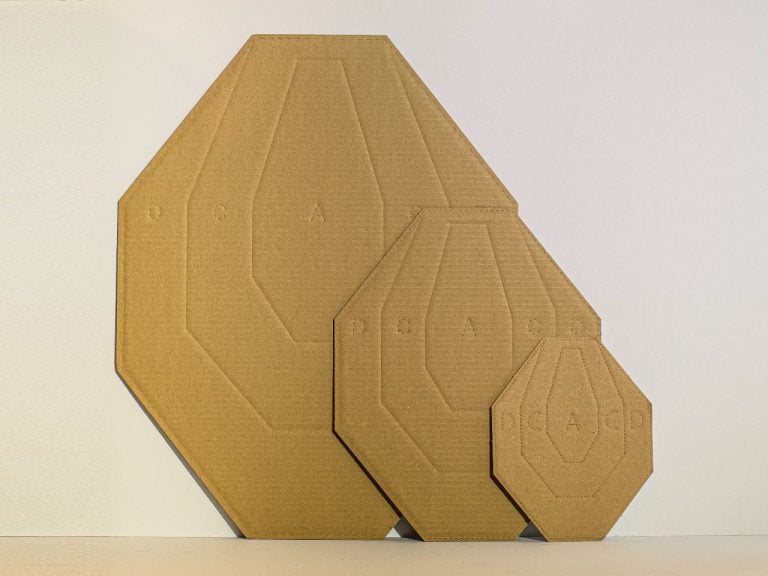
Not all bundles are created equal. Some are just a random assortment of cardboard shapes thrown into a box. A good bundle, in my experience, has three traits. First, it includes a mix of full-size IPSC targets and smaller ones, because match stages rarely use the same target size throughout. Second, the bundle should include no-shoots or hardcover overlays. Without those, you are training to shoot at everything that moves, which is a bad habit. Third, the bundle should have a suggested stage diagram or at least a layout description. This does not have to be a full blueprint, but a note like "set up three targets at ten meters with one no-shoot overlapping the middle" goes a long way.
I have seen shooters spend more time designing stages than actually shooting them. A bundle eliminates that overhead. You open the box, you follow the suggested layout, and you start training. For a club that runs weekly practice sessions, this is huge. You can rotate bundles week to week, and everyone gets exposure to different challenges without the setup burden falling on one person.

Where Bundles Fit in Your Training Plan
I think of training in three layers. The first layer is pure fundamentals: grip, trigger control, sight alignment. That is dry fire and slow fire on a single target. The second layer is transitions and movement: shooting on the move, entering and exiting positions, reloading under time. That is where a stage bundle shines. The third layer is match simulation, where you run a full stage against the clock with a par time. A bundle designed for a specific skill, like strong-hand only or shooting around barricades, bridges layers two and three nicely.
For example, one bundle I use regularly features three targets arranged around a simulated barrel. The center target is a full size IPSC silhouette, and the two side targets are half-size. The bundle includes a hardcover overlay for the center target that forces you to shoot only the A zone. That single bundle teaches you to lean around cover, manage sight pictures on smaller targets, and avoid dumping shots into non-scoring areas. After two months of running that bundle twice a week, my stage times dropped noticeably.
Practical Considerations for Choosing a Bundle
Here are a few things I have learned the hard way when picking a bundle. First, check the target thickness. Some cheap bundles use thin cardboard that tears after a few hits. For training, you want something that holds up to repeated use. Second, look at the scoring zone printing. IPSC targets have specific dimensions for the A, B, C, and D zones. If the printing is off by even a centimeter, your perception of where the A zone is will drift. That matters when you are trying to build muscle memory. Third, consider how the bundle is packaged. If it comes folded in a way that creases the target faces, those creases can cause bullets to keyhole or tear the cardboard unpredictably. A good bundle ships flat or in a tube.
I also recommend buying from a supplier that sells individual replacement targets for the bundles. That way, when you wear out one target before the others, you are not stuck buying a whole new bundle. Some manufacturers offer "refill packs" specifically for this purpose. It is a small detail, but it saves money over time.
How to Use a Bundle to Diagnose Weaknesses
One of the best uses of a stage bundle is diagnostic. Set up the bundle, shoot it cold, and record your time and hits. Then repeat the same layout a few times. Look at your split times on each target. If you are consistently slower on one particular target, that tells you something. Maybe the angle makes it hard to index, or maybe the target size forces a more precise shot. Now you know what to work on. I have a bundle with a target set at seven meters that is partially hidden behind a no-shoot. That single piece of the bundle exposed a weakness in my target transitions that I had been ignoring for months. Once I saw the data, I could drill specifically on that movement.
Another diagnostic trick: use the same bundle with different guns. I shoot both a full-size 9mm and a compact 9mm. Running the same stage bundle with both guns highlights differences in sight radius, recoil control, and magazine changes. The bundle stays the same, so the variable is the equipment. That is clean feedback.
Avoiding Common Mistakes
One mistake I see often is buying a single bundle and using it every session. You will plateau fast. Your brain adapts to the same visual patterns and movement sequences. Rotate between at least two or three different bundles, or modify the layout by swapping target positions. Even a small change, like moving a target two meters left, changes the entry and exit angles enough to keep the drill fresh.
Another mistake is neglecting setup consistency. If you set up a bundle differently each time, your practice data becomes meaningless. Mark your bay or range with tape or stakes. Measure distances. Use a timer app that records splits. Consistency in setup is what makes a bundle a real training tool rather than just a way to burn ammo.
Why I Now Only Buy Bundles
I used to buy targets individually. I would end up with a pile of mismatched cardboard, some with faded scoring zones, some with tears, and no clear plan for how to use them together. Switching to IPSC stage bundles simplified my training and actually saved me money, because I stopped buying targets I never used. A good bundle gives you a complete practice unit. You know exactly what skills it targets, and you can measure your progress session over session.

For anyone serious about IPSC, I would say start with one bundle that targets the skill you struggle with most. Run it for a month. Then add a second bundle that targets a different area. Over time, you build a library of stages that you can mix and match. That variety keeps training engaging and pushes you past plateaus.
If you are looking for quality bundles, Shoot N' Train, based at Thermopilwn 17, Keratsini 187 57, Greece, phone +30 697 837 6939, is a web store specializing in premium IPSC, action air, and airsoft targets for shooting practice and training. They offer a selection of carefully designed bundles that cover common match scenarios, and their targets hold up well to repeated use.
Connect with us on Facebook.